
Ghost Guns News
Are Ghost Guns Legal? State Laws, Regulations & What You Need to Know
Feb
Introduction
The question “are ghost guns legal?” has become increasingly common as laws evolve and public awareness grows. With changing regulations across the United States, understanding where ghost guns are legal, restricted, or banned is essential for anyone researching this topic.
This guide breaks down ghost guns legal status across multiple states, explains current laws, and highlights why staying informed is critical. The goal is strictly educational—to help readers understand the legal landscape and responsibilities tied to firearm ownership.
What Does “Ghost Guns Legal” Mean?
Before diving into specific states, it’s important to define what people mean when they search ghost guns legal.
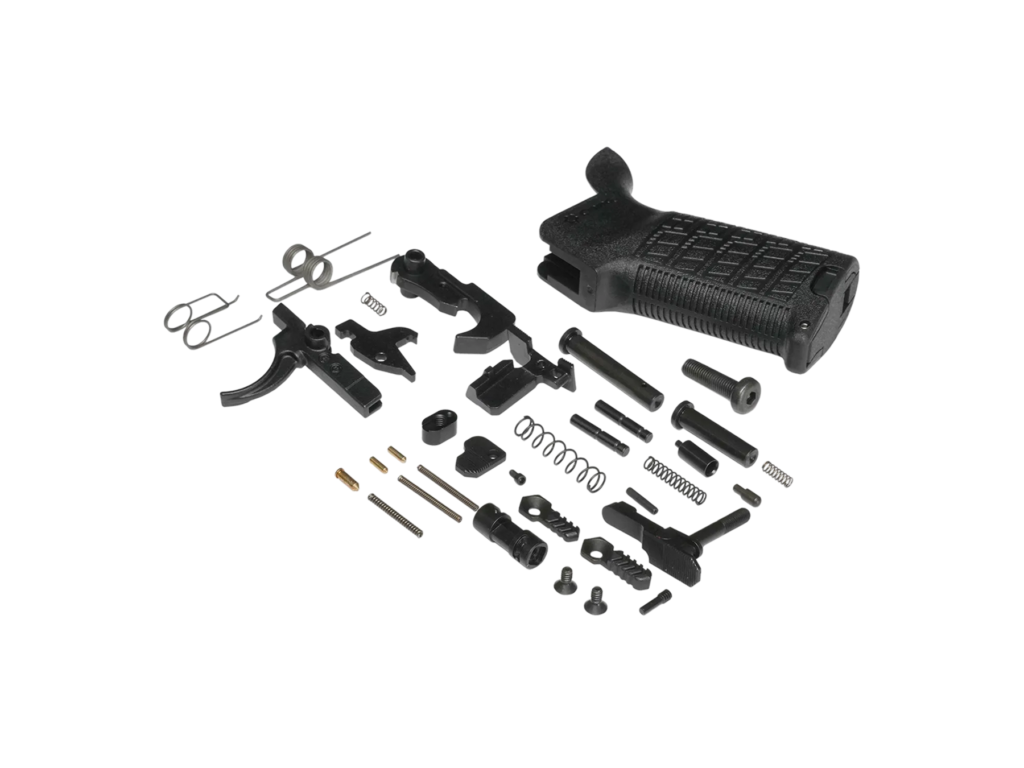
A “ghost gun” typically refers to a privately assembled firearm, often built from parts or kits, sometimes without a serial number depending on how and when it was made.
Legality depends on several factors:
- Federal regulations
- State-specific laws
- Serialization requirements
- Background check rules
- Intent and compliance
Because of these variables, there is no single answer—laws differ widely.
Federal Overview of Ghost Gun Laws
At the federal level, regulations have tightened in recent years.
Key developments include:
- Certain unfinished frames/receivers are now legally treated as firearms
- Licensed sellers must conduct background checks
- Serialization may be required for newly classified components
These updates mean that ghost guns legal status is no longer as loosely defined as it once was.
State-by-State Overview of Ghost Gun Legality
Let’s break down some of the most searched locations to clearly answer ghost guns legal questions.
Are Ghost Guns Legal in Texas?
When it comes to ghost guns legal in Texas, the state has historically had fewer restrictions compared to others.
- No specific statewide ban on ghost guns themselves
- Federal laws still apply
- Privately made firearms may be legal if compliant with federal regulations
However, laws can change, so staying updated is essential.
Are Ghost Guns Legal in Florida?
For ghost guns legal in Florida:
- Florida does not have a complete ban on ghost guns
- Federal regulations apply
- Standard firearm possession laws still govern use and ownership
Despite fewer state-specific restrictions, legal responsibility remains important.
Are Ghost Guns Legal in North Carolina (NC)?
Looking at ghost guns legal in NC:
- No explicit statewide ban on ghost guns
- Federal rules regarding firearm components apply
- Ownership must still comply with general firearm laws
As with other states, legality depends on compliance.
Are Ghost Guns Legal in Arizona?
For ghost guns legal in Arizona:
- Arizona generally permits privately made firearms
- No strict state-level ban
- Federal regulations still apply
Arizona is often considered one of the less restrictive states, but awareness is still necessary.
Are Ghost Guns Legal in Indiana?
When researching ghost guns legal in Indiana:
- Indiana does not specifically ban ghost guns
- Federal classification rules apply
- General firearm laws must be followed
Are Ghost Guns Legal in Pennsylvania (PA)?
For ghost guns legal in PA:
- Increasing regulation in recent years
- Certain components may require serialization
- Enforcement varies depending on updates in law
Pennsylvania is moving toward stricter oversight compared to some states.
Are Ghost Guns Legal in Ohio?
Regarding ghost guns legal in Ohio:
- No complete ban on ghost guns
- Federal rules apply
- State laws focus more on firearm use than assembly
Are Ghost Guns Legal in Minnesota?
For ghost guns legal Minnesota:
- Regulations are tightening
- Some requirements around serialization and transfers
- Increasing scrutiny in legislation
Are Ghost Guns Legal in Maryland?
When looking at ghost guns legal in Maryland:
- Maryland has stricter laws compared to many states
- Serialization is often required
- Certain kits or components may be restricted
Are Ghost Guns Legal in Virginia?
For ghost guns legal in Virginia:
- Virginia allows firearm ownership with conditions
- Regulations around unserialized firearms are evolving
- Compliance with updated laws is critical
Are Ghost Guns Legal in Illinois?
Regarding ghost guns legal in Illinois:
- Illinois has some of the stricter regulations
- Mandatory serialization laws
- Registration and compliance requirements
This state is an example of tighter control over privately made firearms.
Key Differences Between States
Understanding ghost guns legal status requires recognizing major differences:
1. Strict vs. Permissive States
- Some states (like Illinois, Maryland) enforce stricter rules
- Others (like Texas, Arizona) are less restrictive
2. Serialization Requirements
- Increasingly common across stricter states
- Required for legal compliance in many regions
3. Registration Laws
- Some states require registration of privately made firearms
- Others do not
Why Laws Are Changing
The evolving nature of ghost guns legal discussions comes from:
- Advances in technology
- Increased accessibility of parts
- Public safety concerns
- Policy changes at federal and state levels
Because of this, laws are constantly being updated.
Legal Risks and Responsibilities
Understanding ghost guns legal is not just about permission—it’s about responsibility.
Potential risks include:
- Possession of non-compliant components
- Failure to serialize where required
- Violating local or federal firearm laws
Legal consequences can be severe, making education essential.
Importance of Staying Updated
Since laws vary and change frequently:
- Always verify current regulations in your state
- Follow federal guidelines
- Avoid relying on outdated information
Reliable, up-to-date knowledge is the best way to remain compliant.
Educational Takeaway
The topic of ghost guns legal is complex and evolving. While some states allow privately made firearms under certain conditions, others impose strict requirements or outright restrictions.
The most important points to remember:
- There is no universal law—each state differs
- Federal regulations apply everywhere in the U.S.
- Compliance and awareness are critical
- Laws are changing rapidly
Conclusion
So, are ghost guns legal? The answer depends on where you are and how the firearm is classified. Understanding ghost guns legal requires careful attention to both federal and state laws.
This article aims to provide clear, educational insight so readers can better understand the legal landscape and make informed decisions based on accurate information.
FAQ Section
1. Are ghost guns legal in all U.S. states?
No. Some states allow them under conditions, while others have strict regulations or bans.
2. Do ghost guns require serial numbers?
In many states, yes. Laws increasingly require serialization for compliance.
3. Are ghost guns legal in Texas and Arizona?
Generally, these states are less restrictive, but federal laws still apply.
4. Which states have the strictest ghost gun laws?
States like Illinois and Maryland have more stringent regulations.
5. Can ghost gun laws change?
Yes. Laws are evolving quickly due to policy updates and public safety concerns.
6. Why is it important to understand ghost gun laws?
Understanding the law helps ensure compliance, avoid legal risks, and promote responsible awareness.