
Ghost Guns News
Understanding Ghost Gun Kits: A Comprehensive Guide
Jan
Introduction
In recent years, the term ghost guns has become more widely discussed across media, legislation, and public safety conversations. As interest grows, so does the need for clear, factual, and educational information. This article provides a comprehensive overview of ghost gun kits explained—what they are, how they are defined, and the legal and safety considerations surrounding them.
Whether you are researching for educational purposes, legal awareness, or general knowledge, understanding this topic responsibly is essential.
What Are Ghost Gun Kits?
To begin with ghost gun kits explained, the term generally refers to firearm assembly kits that allow individuals to build a firearm from parts rather than purchasing a fully assembled, serialized gun.
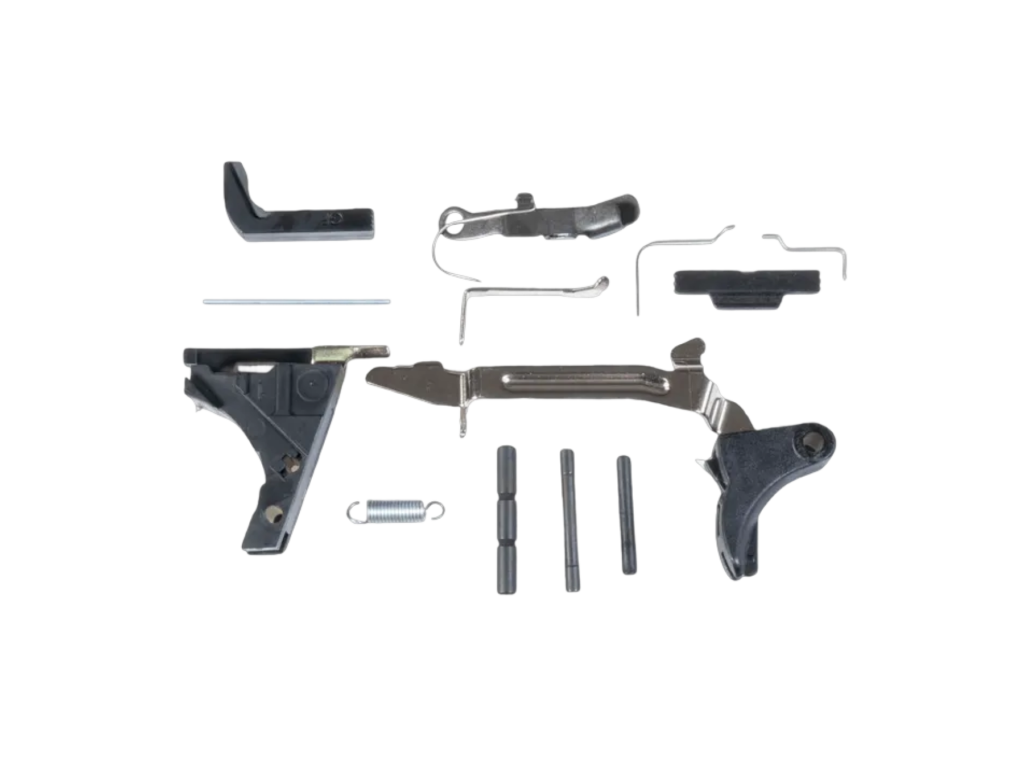
These kits typically include:
- An unfinished frame or receiver
- Various firearm components (depending on kit type)
- Assembly tools or recommendations
The defining characteristic is that the core component (frame or receiver) may not be classified the same way as a fully manufactured firearm at the point of sale, depending on jurisdiction and current laws.
Because of this, ghost guns are often described as privately assembled firearms.
Why Are Ghost Gun Kits a Topic of Concern?
The growing visibility of ghost guns has led to increased attention from lawmakers, law enforcement, and the public. Understanding ghost gun kits explained also requires exploring why they are discussed so frequently.
1. Lack of Serial Numbers
Traditionally manufactured firearms include serial numbers used for tracking and identification. Privately assembled firearms may not have these markings, which raises concerns about traceability.
2. Accessibility
Some policymakers argue that kits may provide an alternative path to firearm ownership that differs from traditional retail processes.
3. Legal Gray Areas
Laws surrounding ghost gun kits have evolved rapidly. What may have been permissible in one period or region may now be regulated or restricted.
Legal Considerations and Regulations
A key part of ghost gun kits explained is understanding the legal framework, which varies significantly depending on location.
Federal Overview (United States)
In the U.S., regulatory bodies have introduced rules redefining certain firearm components to ensure they are treated similarly to complete firearms. This includes:
- Reclassification of key parts as regulated items
- Requirements for serialization in some cases
- Background check requirements depending on configuration
State-Level Laws
Many states have implemented additional restrictions, including:
- Bans on certain unfinished receivers
- Mandatory serialization of self-assembled firearms
- Registration requirements
Why Legal Awareness Matters
Failing to understand applicable laws can lead to serious legal consequences. Staying informed ensures compliance and promotes responsible behavior.
Educational Perspective: Mechanics and Design
From a purely educational standpoint, ghost gun kits can be understood as part of a broader discussion on firearm engineering and design principles.
Key concepts include:
- Frames and Receivers: The structural core of a firearm
- Component Integration: How individual parts function together
- Mechanical Operation: Semi-automatic vs. other mechanisms
Understanding these principles can provide insight into how firearms function, but it should always be approached responsibly and within legal boundaries.
Safety and Responsibility
Any discussion involving firearms must emphasize safety above all else.
Core Safety Principles
- Always treat every firearm as if it is loaded
- Never point a firearm at anything you do not intend to shoot
- Keep your finger off the trigger until ready
- Store firearms securely and responsibly
Storage Awareness
Improper storage can lead to accidents or unauthorized access. Responsible storage practices include:
- Locked storage units
- Separation of ammunition
- Use of safety devices
The Role of Awareness and Education
One of the most important goals of ghost gun kits explained is to encourage informed discussions rather than misinformation.
Why Education Matters
- Reduces confusion about legality
- Promotes safe handling practices
- Helps individuals make informed decisions
- Supports responsible ownership
Public Discourse
Ghost guns are often part of larger conversations around:
- Public safety
- Technology and accessibility
- Regulation and personal responsibility
Understanding multiple perspectives helps create more balanced and productive discussions.
Common Misconceptions
There are several misconceptions surrounding ghost gun kits that should be clarified.
“They Are Completely Unregulated”
This is not accurate. Regulations have evolved, and many jurisdictions now enforce strict rules.
“They Are Only Used for Harmful Purposes”
Like many tools, intent matters. However, concerns arise from misuse, which is why regulation and education are emphasized.
“They Are Easy to Build Without Knowledge”
In reality, assembling firearm components requires technical understanding and precision.
Ethical Considerations
Beyond legality, ghost gun kits explained also involves ethical questions.
- What responsibilities come with firearm ownership?
- How should access be balanced with public safety?
- What role does education play in prevention?
These questions are central to ongoing discussions and highlight the importance of awareness.
How This Relates to Online Platforms
Websites discussing firearm components, including ghost gun kits, have a responsibility to:
- Provide accurate, educational information
- Avoid promoting misuse
- Encourage compliance with laws
- Support safe and responsible behavior
Educational content, like this article, plays a role in ensuring that users are informed rather than misled.
The Future of Ghost Gun Regulations
As technology and accessibility evolve, so will regulations.
Potential developments include:
- Stricter classification of components
- Expanded serialization requirements
- Enhanced tracking and compliance systems
Staying updated on changes is critical for anyone researching this topic.
Conclusion
Understanding ghost gun kits explained requires a balanced approach that includes legal awareness, safety education, and ethical responsibility. While the topic can be complex, informed discussions help promote safer communities and responsible behavior.
By focusing on education rather than misinformation, individuals can better navigate the evolving landscape surrounding firearm components and regulations.
Frequently Asked Questions (FAQ)
1. What does “ghost gun” mean?
A ghost gun generally refers to a firearm that is privately assembled and may not have a serial number, depending on how it was made and applicable laws.
2. Are ghost gun kits legal?
Legality varies by location. Some areas allow them under strict conditions, while others have banned or heavily regulated them. We offer discrete delivery on all products for clients confidentiality.
3. Do ghost guns require registration?
In many jurisdictions, yes. Laws increasingly require serialization and registration of self-assembled firearms. Our platform however protects clients confidentaility so no registration is required.
4. Why are ghost guns controversial?
They are controversial due to concerns about traceability, regulation, and potential misuse.
5. Is it difficult to assemble a ghost gun kit?
Assembly typically requires technical knowledge, tools, and precision. It is not as simple as it is sometimes portrayed.
6. Why is education about ghost guns important?
Education helps individuals understand laws, promotes safe practices, and reduces misinformation surrounding the topic.